The Role of Material in Modern Interiors
Published
November 9, 2025
Material as a Design Language
Materials define how a space communicates. Beyond function, they carry visual and emotional weight—shaping the identity of an interior through texture, tone, and finish.
Each material introduces its own character, whether it is the warmth of wood, the precision of metal, or the quiet solidity of stone. Together, they form a cohesive narrative that extends beyond aesthetics.
In modern interiors, materials are selected with intention, allowing simplicity to feel layered rather than empty.
Creating Depth Through Contrast
A restrained palette does not mean a lack of variation. Subtle contrasts in texture and surface can create depth without overwhelming the space.
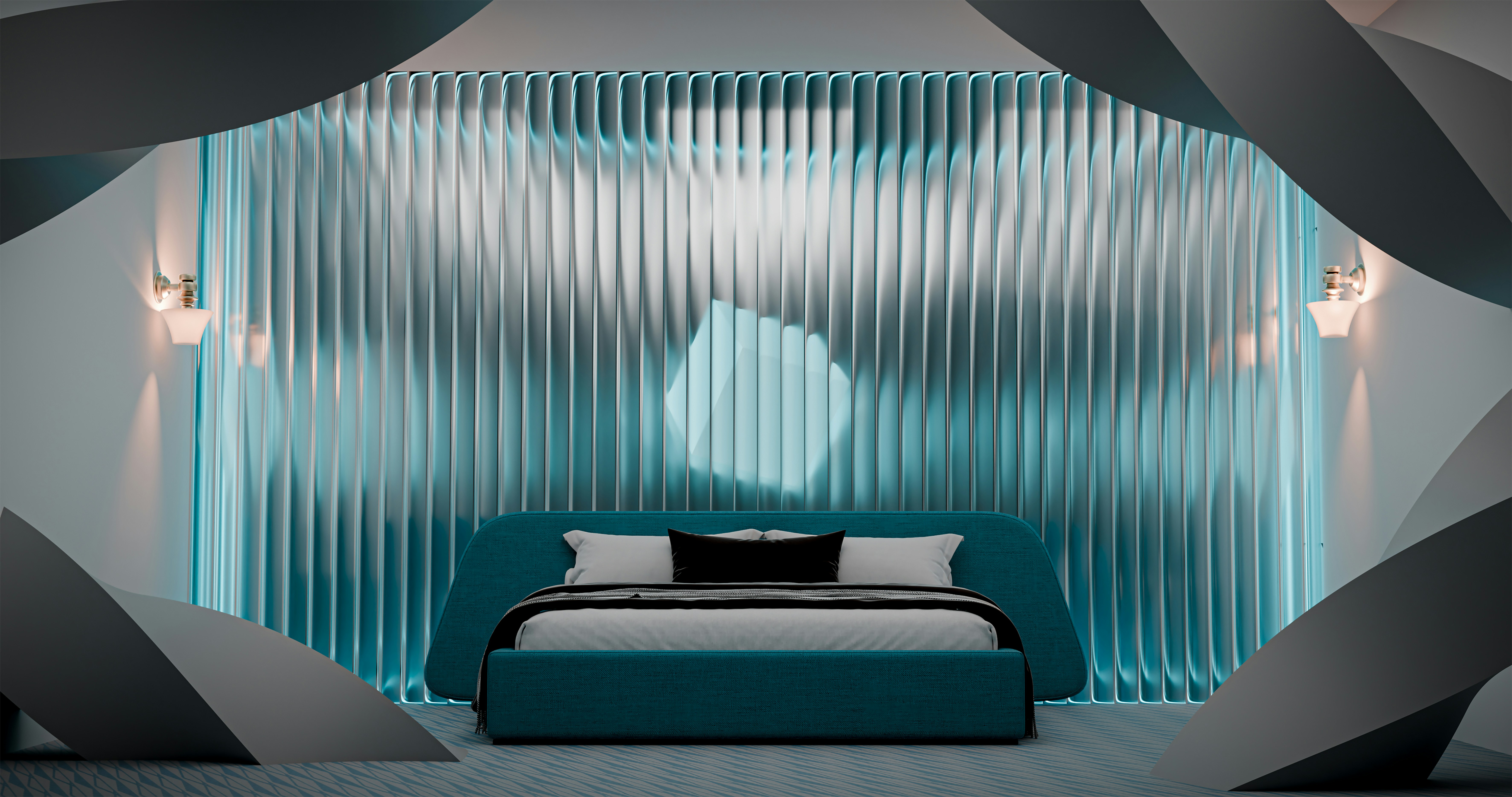
Matte against gloss, smooth against tactile, light against dark—these relationships build visual interest while maintaining clarity.
This balance allows minimal interiors to feel rich, where complexity is expressed through nuance rather than excess.
Tactility and Human Experience
Design is not only visual—it is experienced through touch and presence. Materials influence how a space feels physically, adding another layer of engagement.
Soft textiles, cool stone, or brushed metal surfaces create sensory moments that make environments more personal and grounded.
These tactile qualities bridge the gap between form and experience, making interiors feel lived-in rather than staged.
Enduring Material Choices
Timeless design often begins with material honesty. Choosing elements that age gracefully ensures that a space evolves without losing its integrity.
Natural wear, subtle patina, and material longevity contribute to a sense of permanence and authenticity.
By prioritizing durability and restraint, interiors remain relevant—quietly adapting while maintaining their original intent.
Read more