Rethinking Urban Living
Published
January 28, 2026
The Challenge of Density
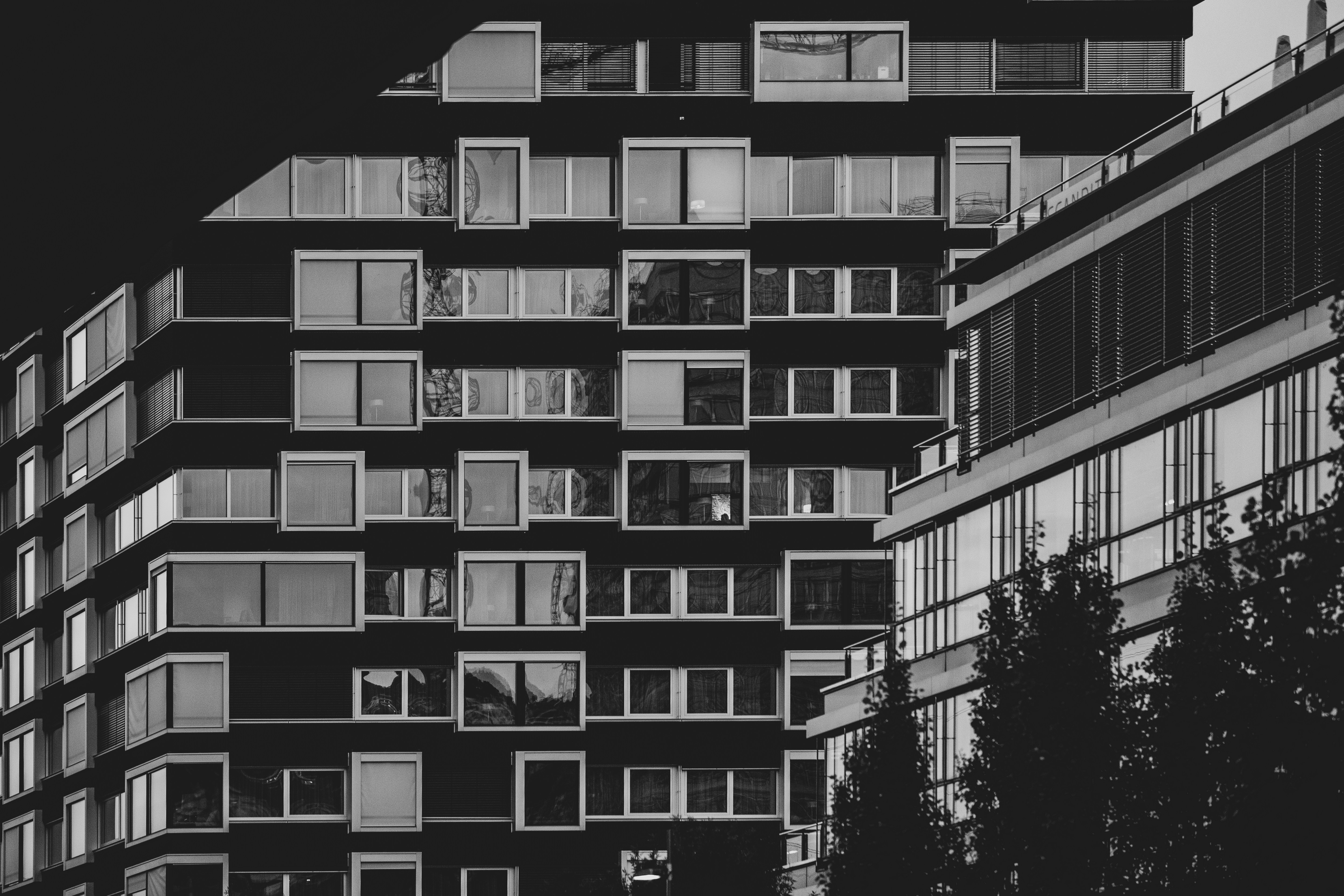
Urban environments continue to compress living spaces, requiring a more thoughtful approach to design. Limited square footage demands efficiency without compromising comfort.
The challenge lies in creating spaces that feel open and functional, even within physical constraints.
This shift pushes design to move beyond decoration, focusing instead on how space truly works.
Flexible and Adaptive Spaces
Modern living requires adaptability. Spaces are no longer defined by a single function but must shift throughout the day to support different activities.
Multi-functional layouts, integrated storage, and transformable elements allow interiors to remain fluid and responsive.
This flexibility ensures that even compact environments can support a dynamic lifestyle.
Creating a Sense of Openness
Openness is not only about size, but about perception. Visual continuity, clean lines, and thoughtful layout planning can make spaces feel larger than they are.
Strategic use of light, minimal partitions, and cohesive materials contribute to a seamless spatial experience.
These design decisions reduce visual noise, allowing the space to breathe despite its scale.
Prioritizing Quality of Living
In dense urban settings, the focus shifts from quantity to quality. Well-designed spaces emphasize comfort, clarity, and emotional well-being.
Every detail must serve a purpose, supporting both function and atmosphere without excess.
Ultimately, thoughtful urban design creates environments that feel calm, efficient, and deeply intentional.
Read more