Designing with Light and Space
Published
April 6, 2026
Light as a Foundation
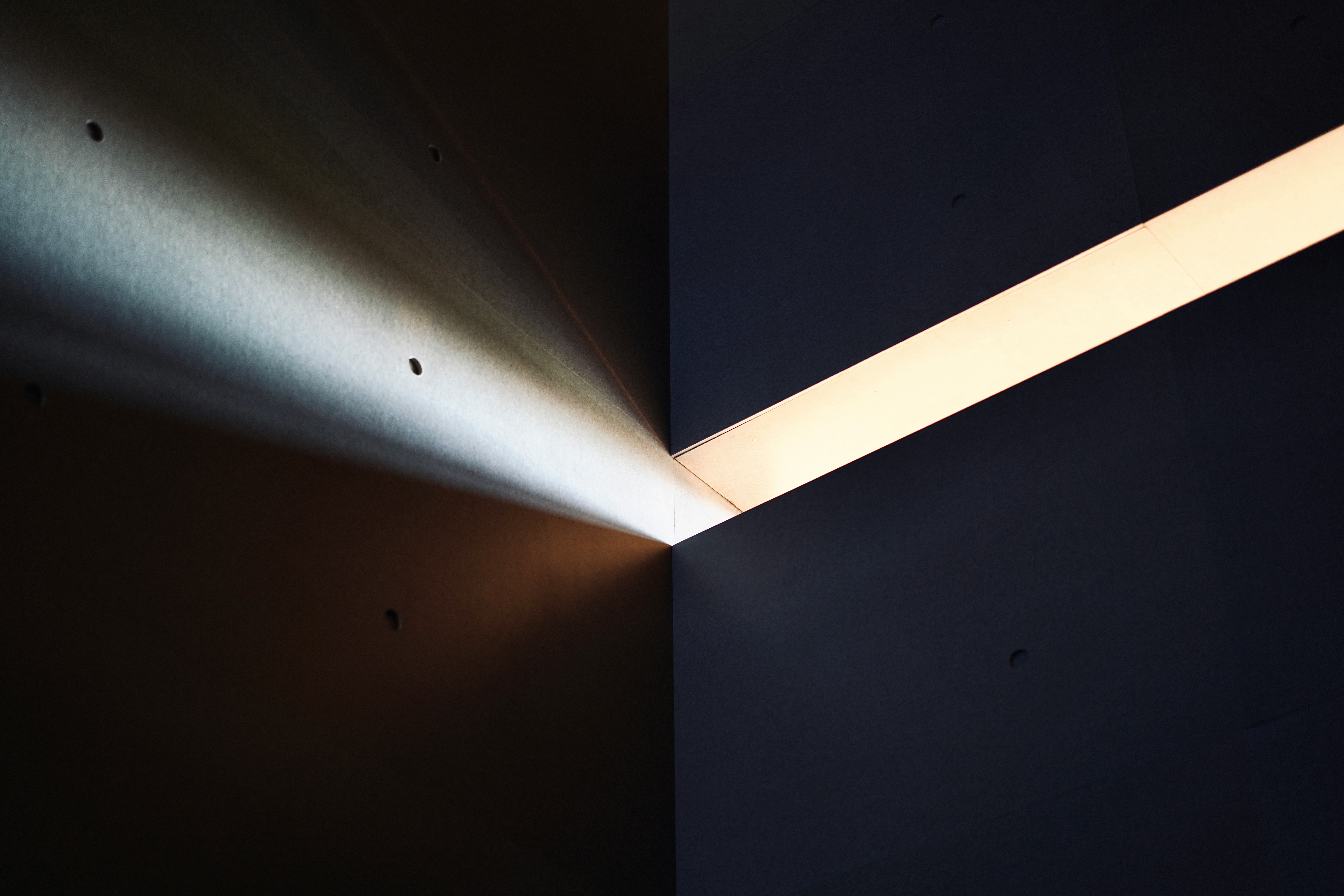
Natural light is more than a functional element — it defines how a space is perceived and experienced. It introduces rhythm, shapes atmosphere, and creates a sense of continuity throughout the day.
The way light enters a space influences proportion, highlights architectural intent, and softens or sharpens the overall composition. It becomes an invisible structure that supports everything within it.
In contemporary interiors, light is not treated as an afterthought but as a primary material — one that evolves constantly and brings life into static forms.
Shaping Atmosphere Through Light
Light has the ability to transform the emotional quality of a space. Soft, diffused light creates calm and intimacy, while direct light introduces contrast and energy.
Through careful placement of openings and transitions, designers can control how light interacts with surfaces, guiding the way a space is felt rather than just seen.
These subtle shifts in brightness and shadow create depth without adding complexity, allowing minimal spaces to feel rich and layered.
Material as a Reflective Medium
Every material responds differently to light. Stone absorbs, metal reflects, and fabric diffuses — each interaction adding a unique dimension to the overall environment.
By pairing materials thoughtfully, designers can amplify or soften the effects of light, creating a balance between contrast and cohesion.
This relationship between light and material defines the tactile and visual identity of a space, making it feel intentional and composed.
A Living Spatial Experience
When light is considered as an integral part of design, spaces become more dynamic and responsive. They shift subtly over time, creating a sense of movement within stillness.
This evolving quality allows interiors to feel alive — adapting to different moments, moods, and uses without requiring physical change.
Ultimately, designing with light is about creating environments that are not only visually refined, but also deeply experiential and enduring.
Read more