Simplicity as a Design Philosophy
Published
March 12, 2026
Understanding Simplicity
Simplicity is often misunderstood as emptiness. In reality, it is a deliberate process of refining and focusing on what truly matters.
It requires clarity of intention, where every element exists for a reason and contributes to the whole.
This approach creates spaces that feel calm, composed, and free from distraction.
The Discipline of Reduction
Achieving simplicity involves removing the unnecessary. This process reveals the core structure of a design, allowing essential elements to stand out.
It is not about limiting creativity, but about directing it with precision and purpose.
Through reduction, spaces gain clarity and a stronger sense of identity.
Balance and Proportion
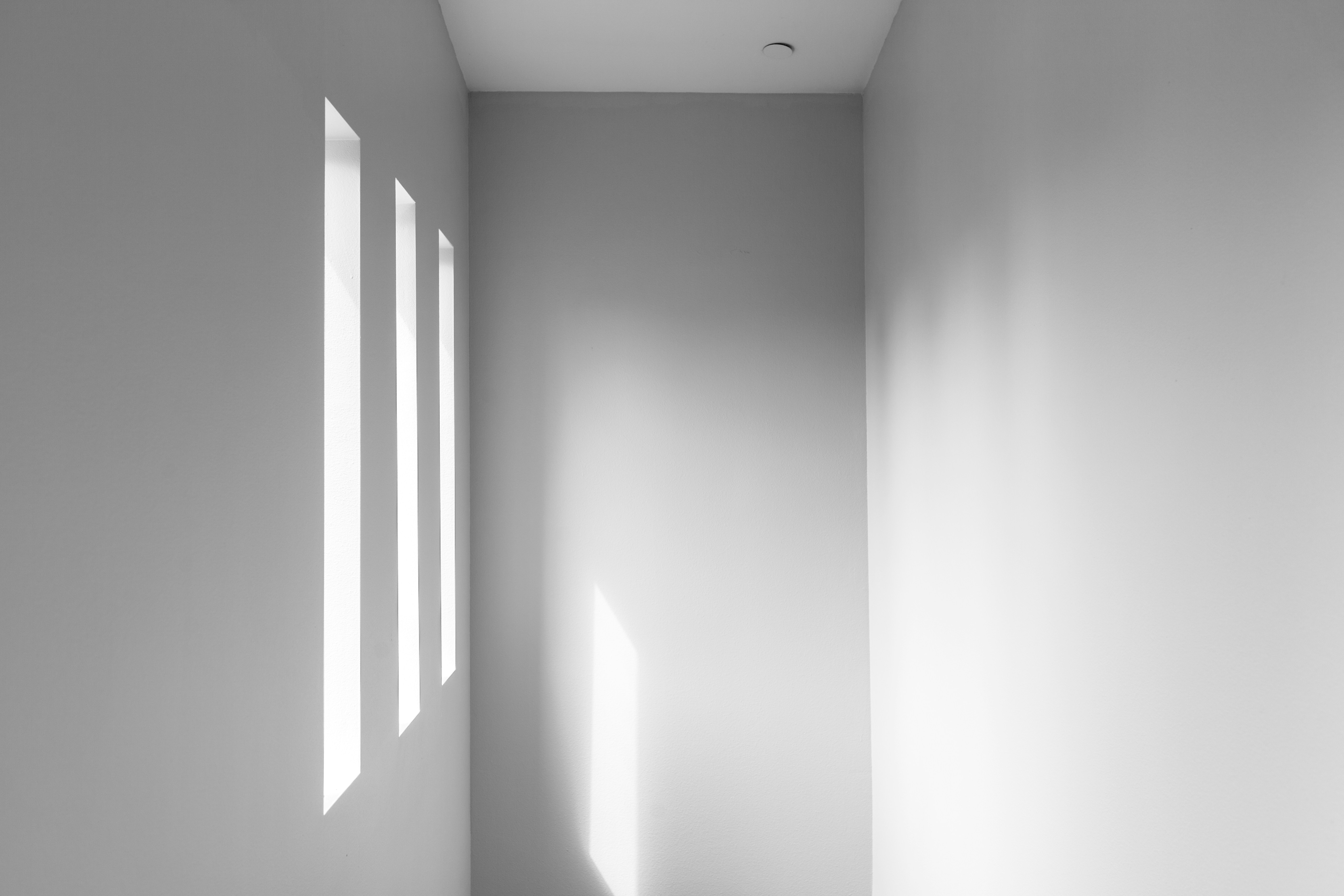
A simple space relies heavily on proportion and alignment. Without excess elements, every detail becomes more visible and more important.
Careful consideration of scale, spacing, and rhythm ensures harmony throughout the composition.
This balance creates a quiet sophistication that feels effortless yet intentional.
Timeless and Enduring Design
Simplicity allows design to transcend trends. By focusing on essentials, spaces remain relevant over time without needing constant change.
Materials, forms, and layouts are chosen for longevity rather than short-term impact.
The result is an environment that feels enduring—refined in its restraint and lasting in its presence.
Read more